New analysis by Dr Leila Alieva explores the changing nature of power and international relations
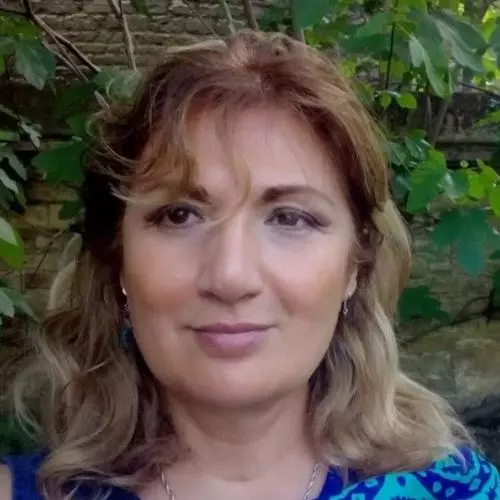
Dr Leila Alieva
REES Associate, Dr Leila Alieva has published a new analysis exploring a central paradox in contemporary international relations: while technological developments are giving individuals and communities greater opportunities to participate in and influence political processes, power remains concentrated in the hands of political elites and individual leaders, whose legitimacy is often contested.
Published by the European Neighbourhood Council (ENC), From Homo Pugnans to Homo Partum: Societal Agency and the New Nature of Power examines how this contradiction is shaping contemporary conflicts and international relations, and considers its implications for the future of political power, governance and peace.
Focusing particularly on Russia's war against Ukraine, Dr Alieva explores how digital technologies, social networks and artificial intelligence are transforming traditional understandings of power. She argues that while military strength and territorial control remain important, they are increasingly insufficient to secure lasting political influence or control over societies.
The analysis highlights Ukraine as an example of the growing importance of societal participation and resilience, demonstrating how individuals and communities can play a significant role in national defence and political decision-making.
Dr Alieva argues that these developments call for a rethink of traditional approaches to international relations, with greater emphasis on engaging societies rather than political leaders alone. She suggests that more inclusive approaches, based on participation, dignity and collaboration, are essential to building lasting peace and effective international relationships.